How to Choose a Baseball Glove: Size, Position and Fit
Find the right glove fit for your position. Here's how size, web, materials and feel come together, for youth and adult players.
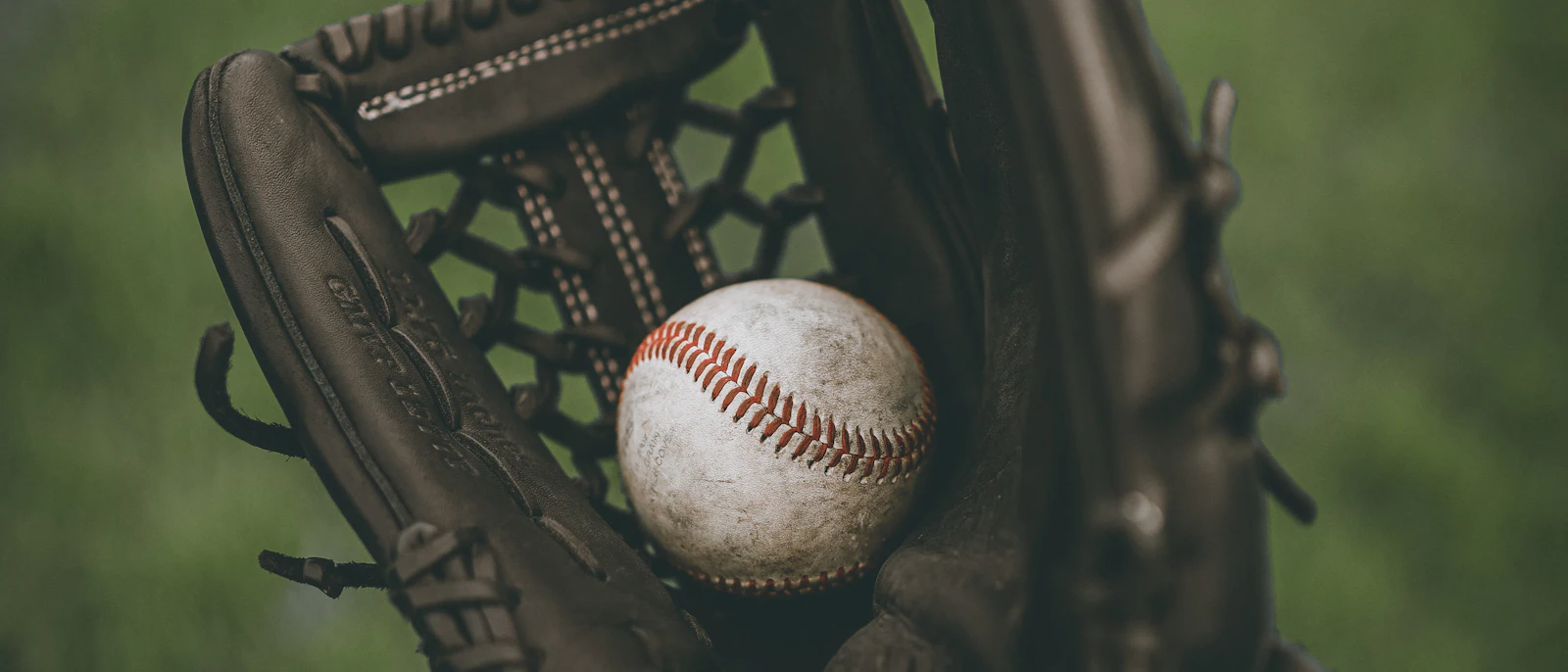
The right glove makes routine plays feel routine. The wrong one, too big, too stiff or built for a different position, makes every ball harder to handle. The good news: choosing well comes down to a few simple questions.
Start with your position
Gloves are built differently because positions ask different things of them.
- Middle infield (second base, shortstop): smaller gloves with shallow pockets so the ball comes out fast for quick throws.
- Third base: slightly larger than middle infield to knock down hard-hit balls, with a little more pocket.
- Pitcher: usually a closed web so batters can't see your grip.
- Outfield: the longest gloves with deep pockets for reach and secure catches on the run.
- First base: a mitt with no individual fingers, long and wide to scoop throws in the dirt.
- Catcher: a heavily padded, rounded mitt designed to receive pitch after pitch.
Young players who move around the field are usually best served by one versatile glove for their age, not a position-specific model.
Glove size chart
Fielding gloves are measured from the tip of the index finger to the centre of the heel. Catcher's mitts are measured around the circumference. Use these typical ranges as a starting point, because sizing varies a little between brands.
| Position | Youth (approx.) | Teen / Adult (approx.) |
|---|---|---|
| Second base / Shortstop | 10.5"–11.25" | 11"–11.75" |
| Third base | 10.75"–11.5" | 11.5"–12" |
| Pitcher | 10.75"–11.5" | 11.5"–12.25" |
| Outfield | 11.5"–12.25" | 12.25"–12.75" |
| First base mitt | 11.5"–12.5" | 12"–13" |
| Catcher's mitt (circumference) | 30"–32.5" | 32"–34.5" |
Coach's tip
When in doubt, go slightly smaller. A glove a player can close and control beats a bigger glove they're "growing into".
Web types
The web is the section between the thumb and index finger. It affects how you see the ball and how quickly it comes out.
- Open webs (I-web, H-web, single post): let debris through and give visibility on fly balls and pop-ups. Popular with infielders and outfielders.
- Closed webs (basket, two-piece, modified trapeze): hide the ball and grip, and offer a sturdy pocket. Popular with pitchers.
- Trapeze: a deep, laced web common on outfield gloves.
Materials
Leather quality affects feel, break-in time and how long the glove lasts.
- Synthetic or soft leather: light and nearly game-ready. Great for young players who need a glove that closes easily.
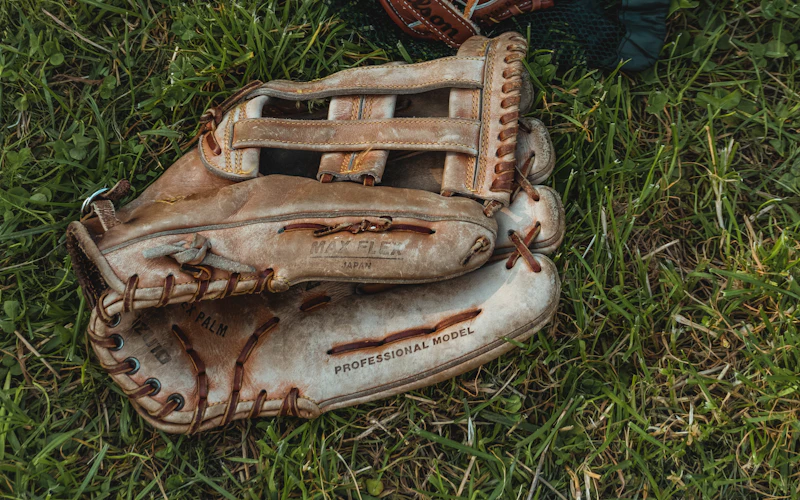
- Steerhide and full-grain leather: stiffer at first and takes longer to break in, but holds its shape and lasts for seasons.
- Kip leather: lighter and softer than steerhide, often found on higher-end gloves.
How a glove should fit
- Hand in comfortably: fingers reach near the ends of the finger stalls without being cramped.
- Snug at the wrist: tighten the strap or adjuster so the glove doesn't slide when you shake it.
- You can close it: squeeze the thumb to the pinky. If a player can't close it, it's too big or too stiff for now.
- Correct hand: right-handed throwers wear the glove on their left hand, and left-handed throwers on their right.
Breaking it in
The best way to break in a glove is to use it. Play catch often, and work the pocket by closing the glove around a ball. Use glove conditioner sparingly and follow the manufacturer's care instructions. Avoid ovens, microwaves and heavy soaking, which can dry out or damage the leather.
FAQs
What size glove does a beginner need?
Most beginners do well with a versatile glove in the youth range for their age, typically on the smaller side so it's easy to close. Ask your coach if the league has a recommendation.
Can I use one glove for every position?
Yes for most recreational and youth players. An all-purpose glove of about 11"–11.75" for teens and adults covers most of the infield and outfield. Catcher and first base mitts are the exceptions.
How long does break-in take?
It depends on the leather. Softer gloves can be ready in days, while stiff full-grain leather may take weeks of regular catch.